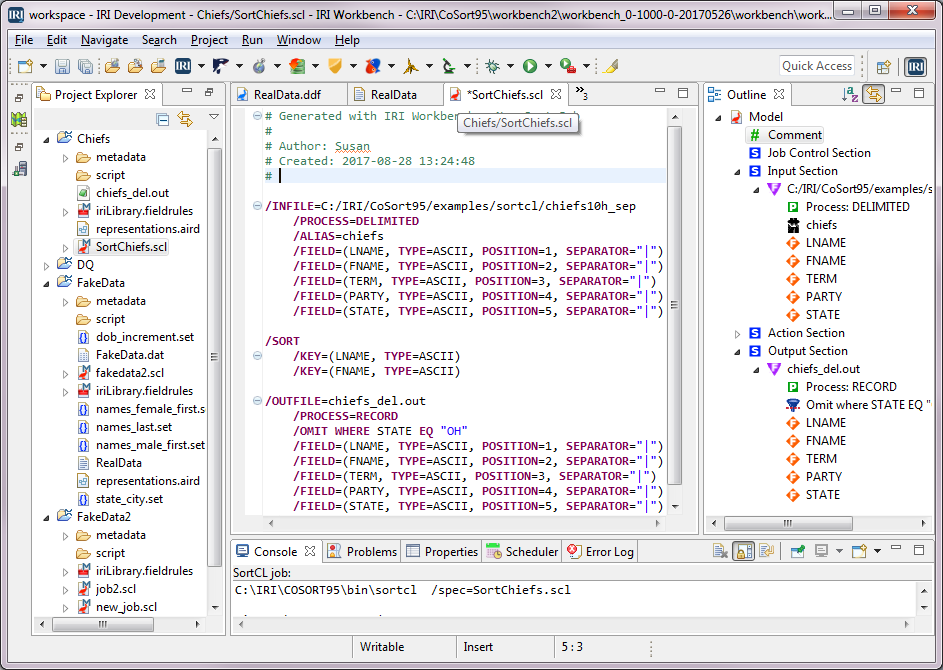
The Job Script Editor in IRI Workbench
The IRI Workbench GUI, built on Eclipse™, provides several ways to create data-driven jobs … jobs which are ultimately expressed in self-documenting plain-text scripts and metadata files. Read More
The IRI Workbench GUI, built on Eclipse™, provides several ways to create data-driven jobs … jobs which are ultimately expressed in self-documenting plain-text scripts and metadata files. Read More
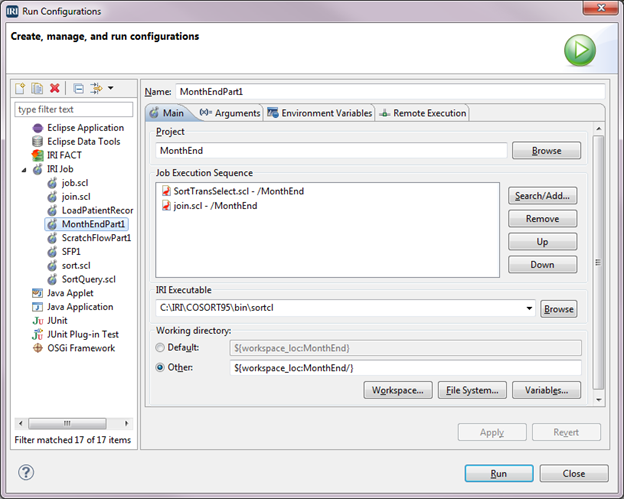
IRI Workbench not only has several ways to create jobs, but also several ways to execute them.
This article focuses on IRI Workbench execution options for job scripts based on the SortCL program language, which covers IRI Voracity ETL, CDC, SDC, pivoting and subsetting jobs, as well as its constituent product functions; i.e., Read More
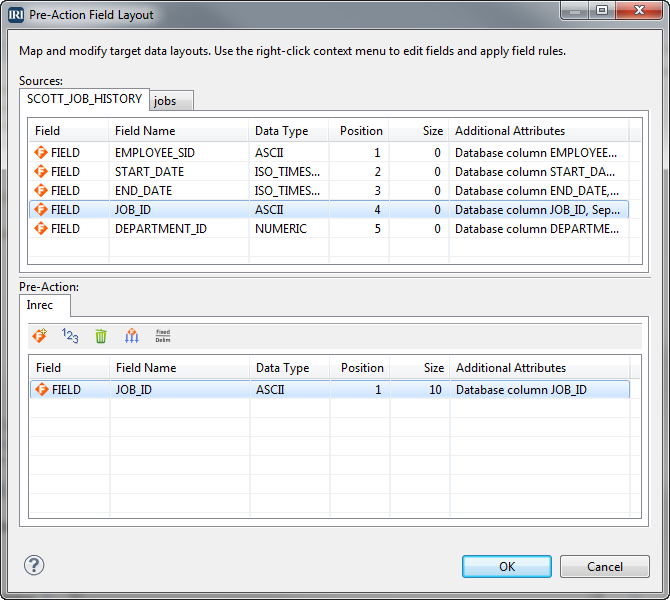
The “New Reformat Job” wizard in the IRI Workbench NextForm menu virtualizes disparate data sources to produce immediate, fit-for-purpose views. This feature provides a simple and free or low-cost data federation vehicle for IRI NextForm, IRI CoSort, or IRI Voracity platform users. Read More
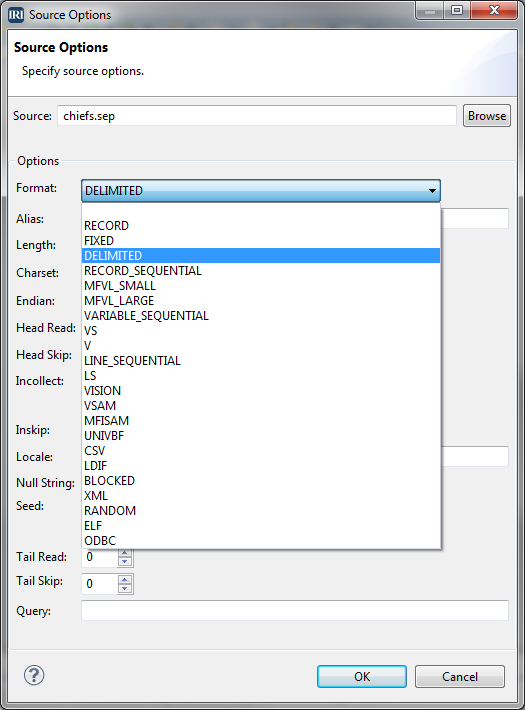
The “New Reformat Job” wizard in the IRI Workbench GUI for NextForm converts structured, or flat files to and from a variety of other formats, including fixed and delimited text, CSV, LDIF, XML, COBOL, and more. Read More

The IRI Voracity data management platform now supports the MarkLogic NoSQL database as a source for structured data discovery (classification, profiling, and search), integration (ETL, CDC, SCD), migration (conversion and replication , governance (data cleansing and masking), and analytic (reporting and wrangling) jobs. Read More
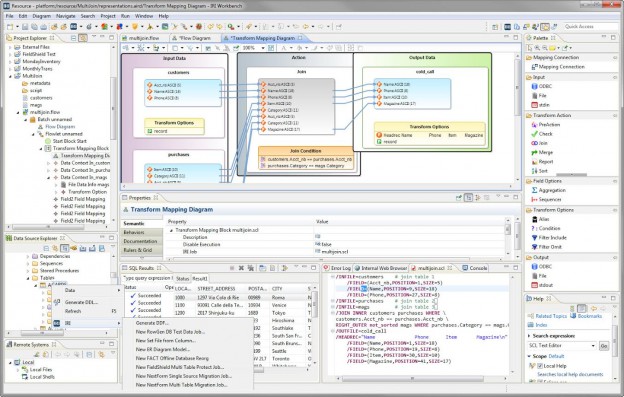
A DSN (database source name) file allows multiple users to connect to a database with information in a flat file. It is used by the database client program — in this case, software in the IRI Workbench — to connect to a database. Read More
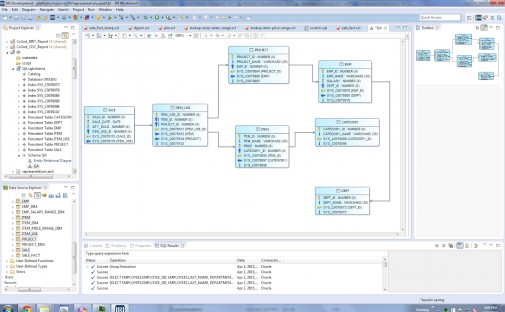
The Entity-Relationship Diagram (ERD), or entity relationship model, is a visual depiction of database tables (entities) and how they are linked through primary and foreign keys (relationships) to each other. Read More
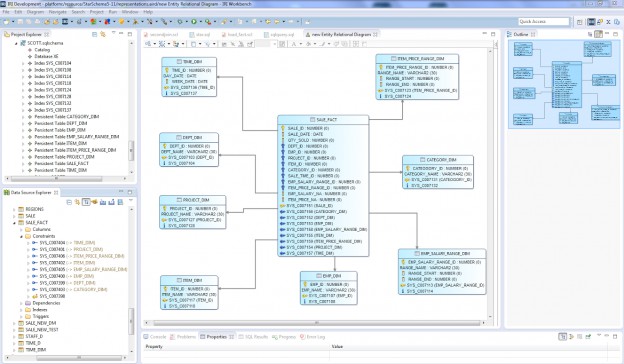
Note: This article showcases the migration of a relational database (RDB) model to star schema using the Eclipse IDE for the IRI Voracity data management platform (and its included products) called IRI Workbench, following an introduction to both types of schema. Read More
This article looks at sets from an informational processing perspective; what they are; how they are constructed; and, distinct ways in which data can be drawn from sets within IRI software products using the SortCL data definition and processing program; i.e., Read More

In the course of legacy platform and/or application migration, COBOL users often need to convert their binary and index files into a human-readable, ASCII-numeric target. One of these older formats is the ACUCOBOL Vision1 file, which we discussed previously in this article. Read More