 IRI Business
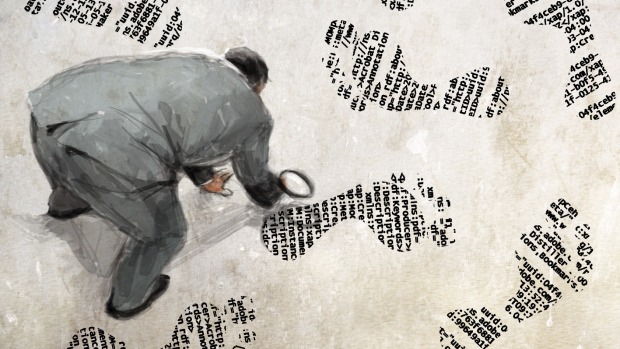
Capturing Business Value with Enterprise Metadata Management
As data itself has become currency, the metadata describing it — and what happens to it — has also emerged as a core asset of modern business. Read More
IRI Business
As data itself has become currency, the metadata describing it — and what happens to it — has also emerged as a core asset of modern business. Read More
 Business Intelligence (BI)
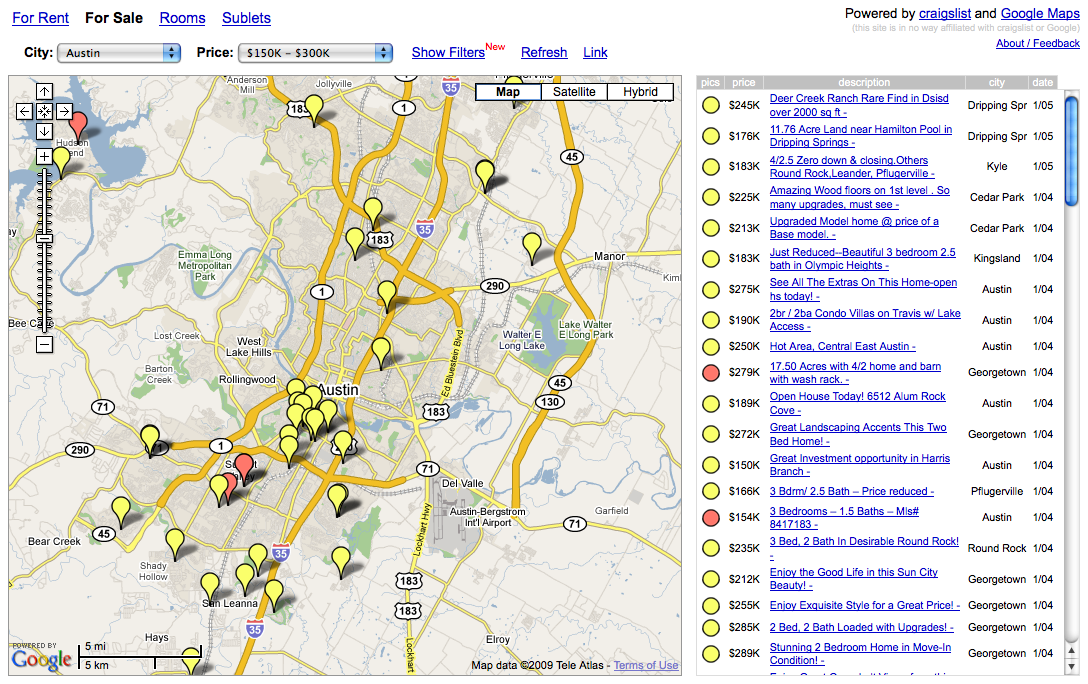
The concept of mashups is a simple one: combining separate, typically heterogeneous elements into a single, compound, and useful system. A stick, some rope, and a sharp rock all have their worthy independent uses; but, when combined, they become a spear to make hunting and survival easier. Read More
 Data Migration
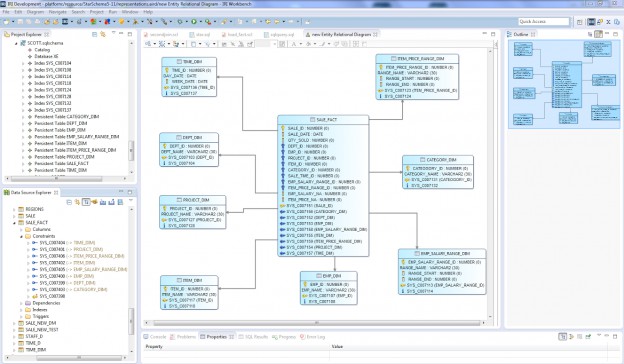
Note: This article showcases the migration of a relational database (RDB) model to star schema using the Eclipse IDE for the IRI Voracity data management platform (and its included products) called IRI Workbench, following an introduction to both types of schema. Read More
 ETL
ETL
IRI RowGen users can generate structurally and referentially correct synthetic test data for an entire database in a single operation. The test data reflects production characteristics (such as values ranges and frequencies) normally encountered in database or ETL operations, but does not require access to, or the masking of, real data. Read More
 Data Masking/Protection
This article looks at sets from an informational processing perspective; what they are; how they are constructed; and, distinct ways in which data can be drawn from sets within IRI software products using the SortCL data definition and processing program; i.e., Read More
 Data Transformation
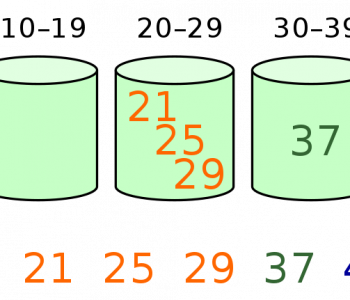
In data warehouses, it is common to map discrete data values to a set of ranges. This makes it easier to write queries that involve a range of discrete values. Read More
 Test Data
A universally unique identifier, or UUID, is an identifier standard used in software construction and data processing. The main function of the UUID is to be a unique identifier in registries, databases, or larger data stores like a data warehouse. Read More
 Business Intelligence (BI)
Dimensional data that change slowly or unpredictably are captured in Slowly Changing Dimensions (SCD) analyses. In a data warehouse environment, a dimension table has a primary key that uniquely identifies each record and other pieces of information that are known as the dimensional data. Read More
 Business Intelligence (BI)
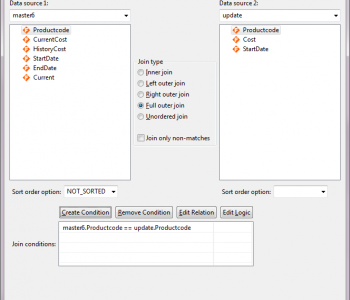
Dimensional data that change slowly or unpredictably are captured in Slowly Changing Dimensions (SCD) analyses. In a data warehouse environment, a dimension table has a primary key that uniquely identifies each record and other pieces of information that are known as the dimensional data. Read More
 Business Intelligence (BI)
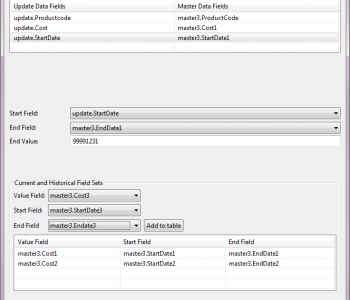
Dimensional data that change slowly or unpredictably is captured in Slowly Changing Dimensions (SCD) analyses. In a data warehouse environment, a dimension table has a primary key that uniquely identifies each record and other pieces of information that are known as the dimensional data. Read More
 Business Intelligence (BI)
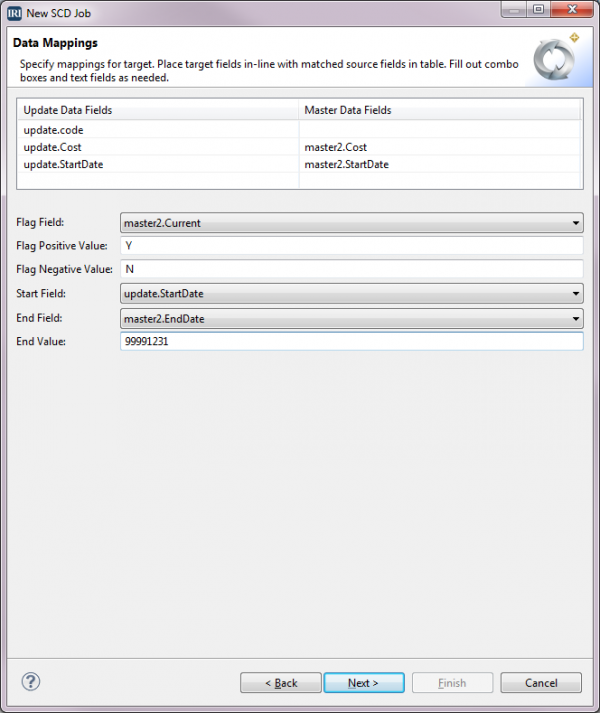
Dimensional data that change slowly or unpredictably are captured in Slowly Changing Dimensions (SCD) analyses. In a data warehouse environment, a dimension table has a primary key that uniquely identifies each record and other pieces of information that are known as the dimensional data. Read More